Türkiye sits where Europe meets Asia, and its literature keeps returning to that crossing: East and West, tradition and reform, the Ottoman past and the republic that replaced it. The Book Roads lists 20 books by 11 authors for Türkiye. Together they make a good map of how the country’s writers have thought about memory, power, love and belonging.
Istanbul, the city that haunts everything
Istanbul is the setting or the subject of much of this shelf, and no one is more tied to it than Orhan Pamuk, the 2006 Nobel laureate, who has five books on the site.
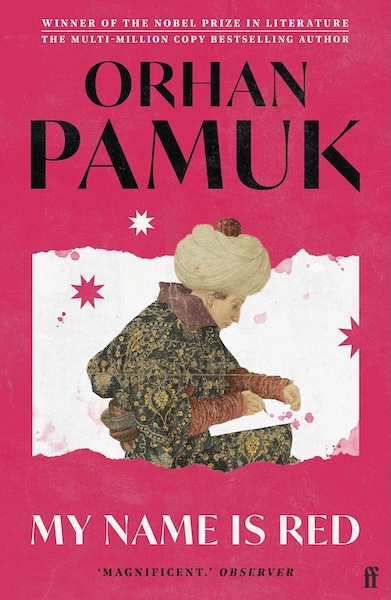
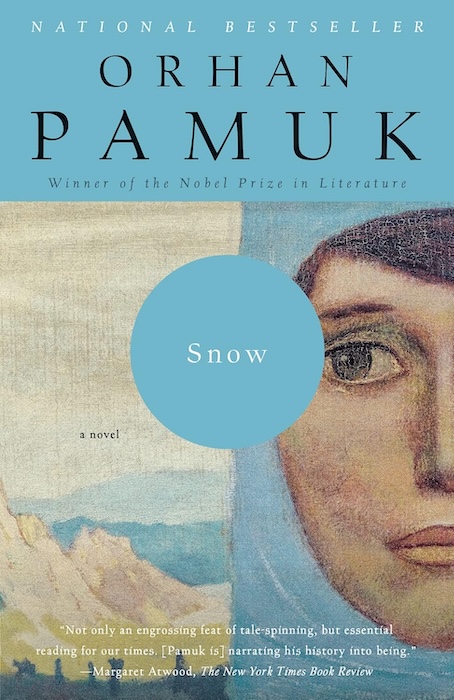
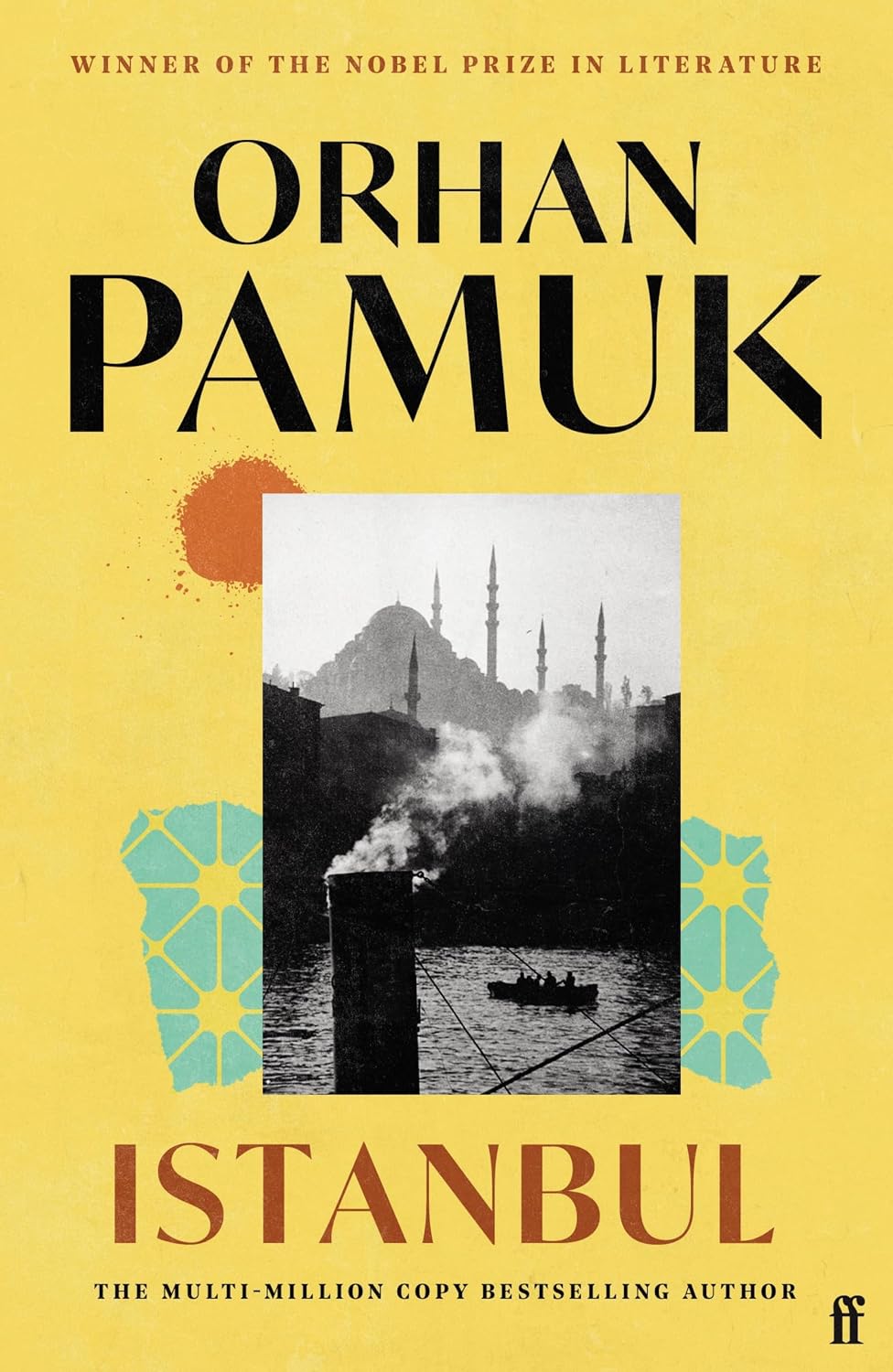
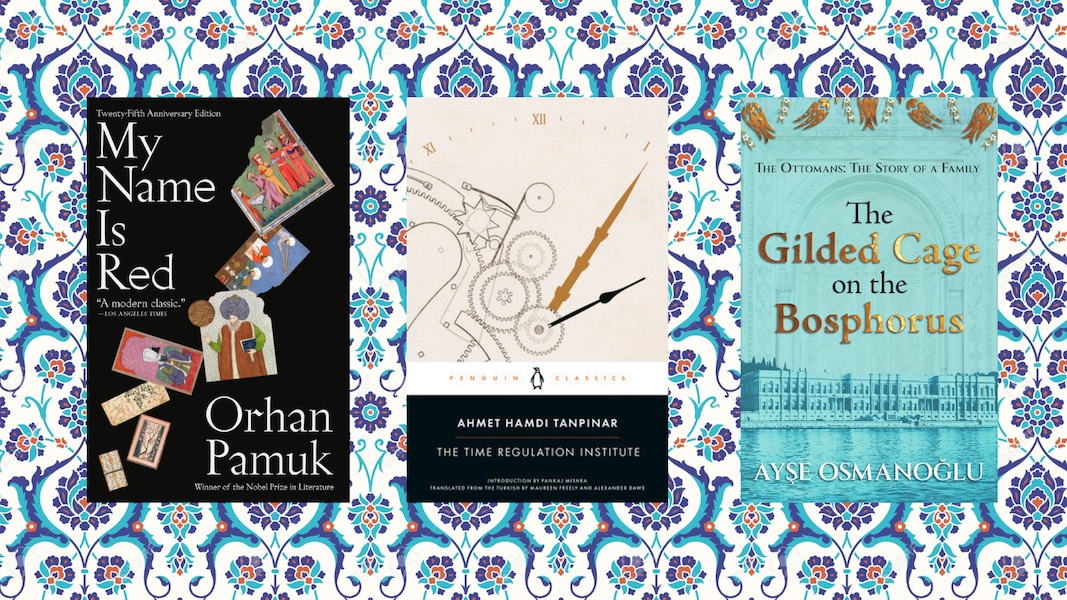
His memoir Istanbul: Memories and the City is the best place to start. It describes the city through the Turkish idea of hüzün, a shared melancholy that lingers over crumbling mansions and quiet waterfronts, left behind by a faded empire. My Name Is Red turns sixteenth-century Istanbul into a murder mystery among miniature painters. It is narrated by artists, objects and even a corpse, and it asks whether borrowing foreign artistic ideas is progress or betrayal. Snow moves to the remote border city of Kars. A poet returns from exile, a blizzard cuts the town off, and secularists, Islamists, Kurdish activists and the military all pull at him.
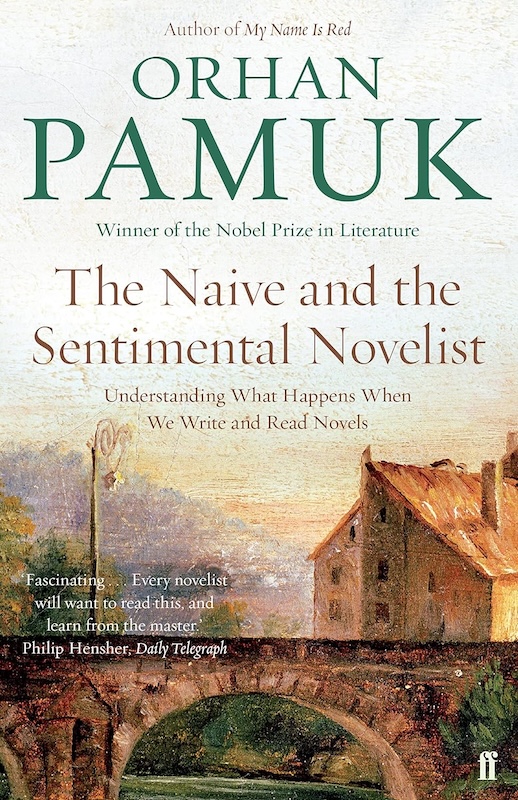
Pamuk’s other books here are Memories of Distant Mountains, a collection of illustrated notebooks, and The Naive and the Sentimental Novelist, his reflections on how fiction works.
The Ottoman twilight
A second cluster of books deals with the end of the empire. Ahmet Altan’s Like a Sword Wound opens his Ottoman Quartet, following army officers, royals and an independent aristocratic woman as old loyalties give way to Western influence.
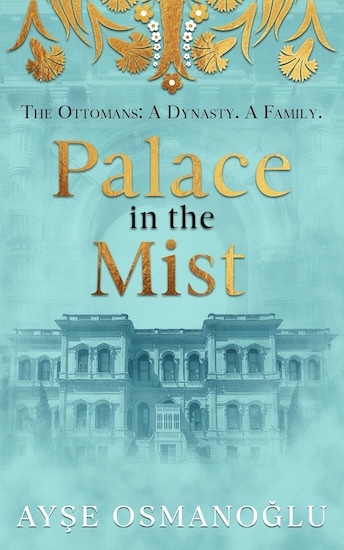
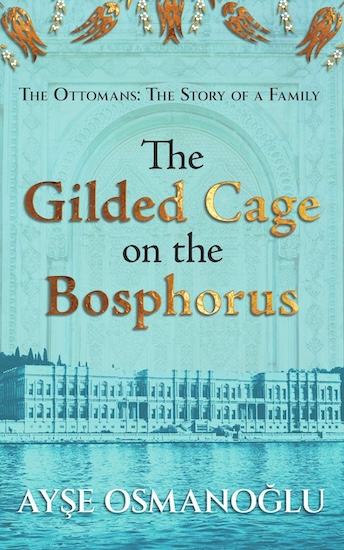
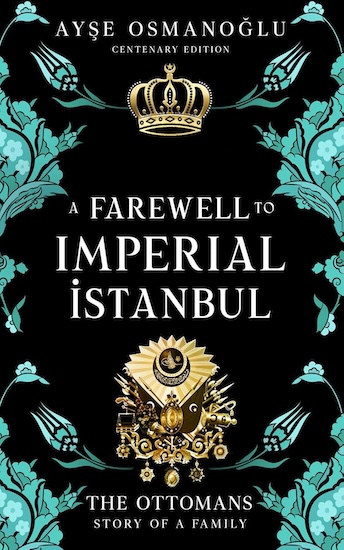
Ayşe Osmanoğlu writes the story from inside the dynasty. Her three novels in this list draw on her imperial family’s history. The Gilded Cage on the Bosphorus (1903) is set in Çırağan Palace, where a deposed sultan lives in confinement. Palace in the Mist (1906) covers the Young Turk revolution closing in on Sultan Abdülhamid II. A Farewell to Imperial Istanbul (1922) follows the family as the sultanate ends.
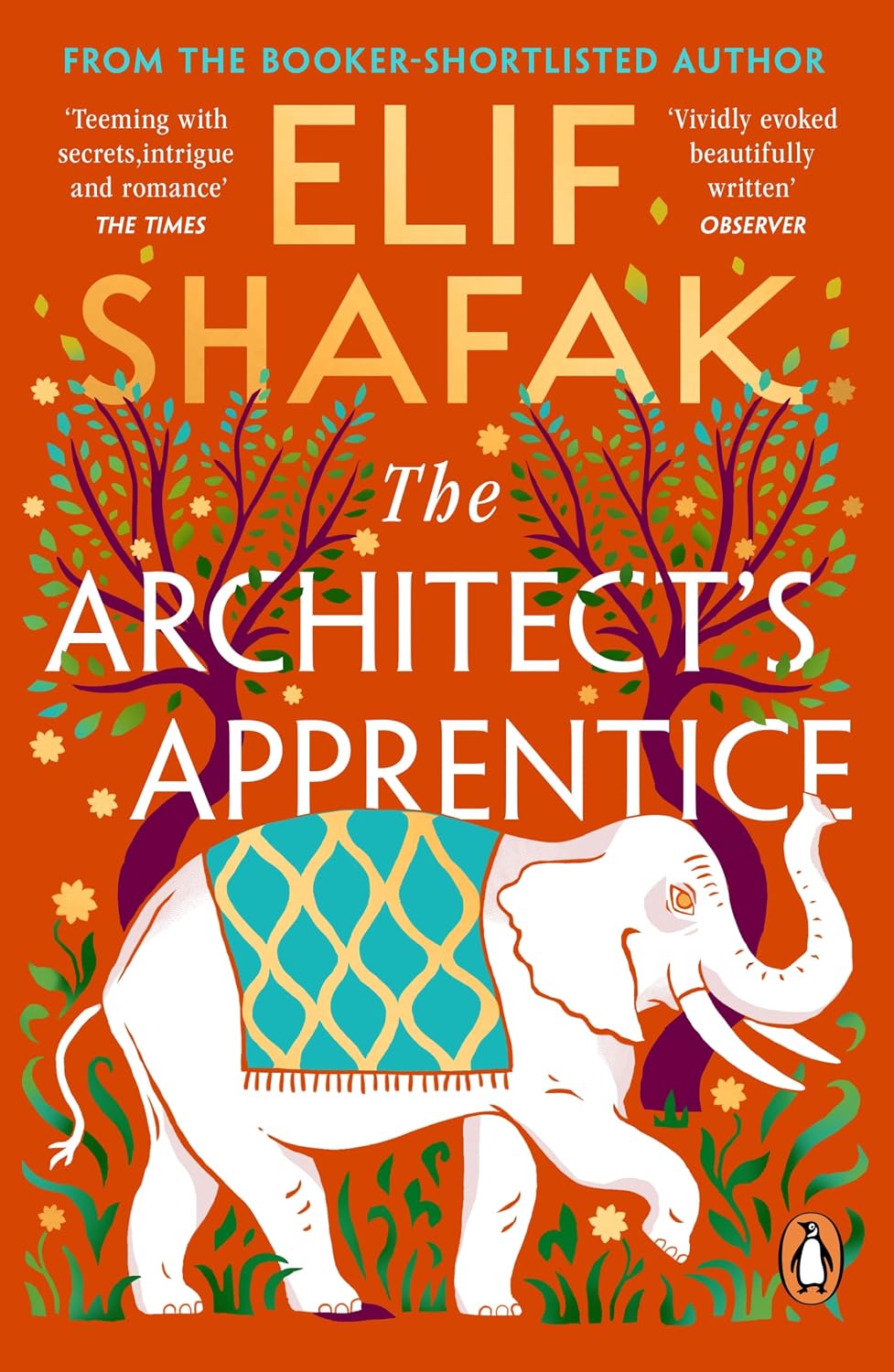
Elif Shafak, with five books on the site, goes back further in Architect’s Apprentice. A boy arrives in Istanbul with a white elephant and ends up in the workshop of the great architect Mimar Sinan.
Identity, minorities and difficult histories
Several of these novels deal with communities and memories that official histories often leave out.
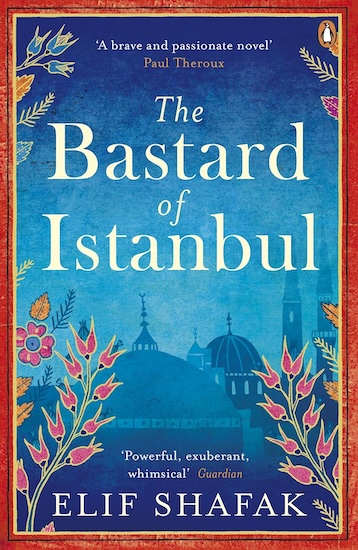
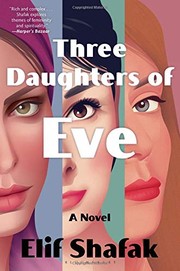
Shafak’s The Bastard of Istanbul links a Turkish family and an Armenian-American teenager. Buried family secrets bring the legacy of the Armenian genocide to the surface, and the book shows how silence and denial shape later generations. Her Three Daughters of Eve looks at faith and doubt through a wealthy Istanbul woman’s memories of an Oxford friendship and the philosophical arguments that came with it.
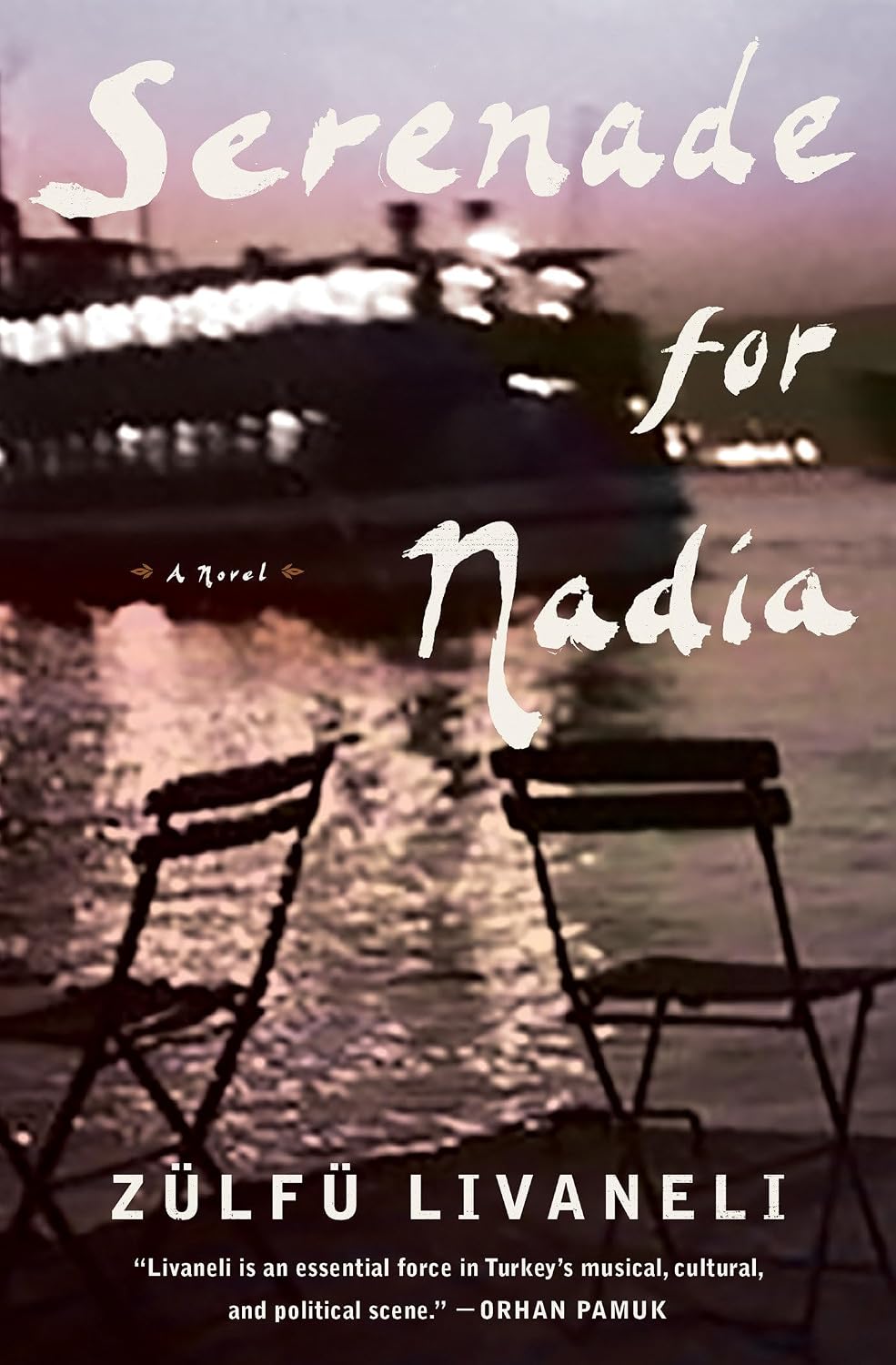
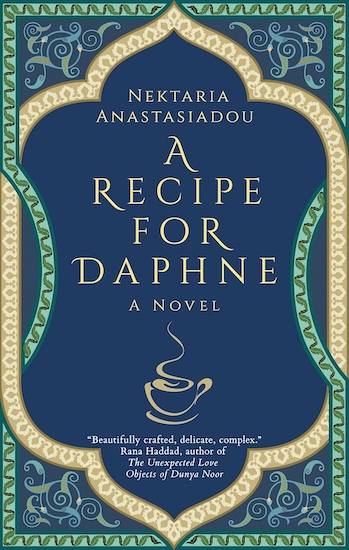
Nektaria Anastasiadou’s A Recipe for Daphne is a warm, funny novel about Istanbul’s dwindling Rum community, the city’s Greek Orthodox Christians, with the 1955 pogrom in its past. Zülfü Livaneli’s Serenade for Nadia uncovers a forbidden wartime love story tied to the 1942 sinking of the refugee ship Struma. It asks what responsibility remembering carries.
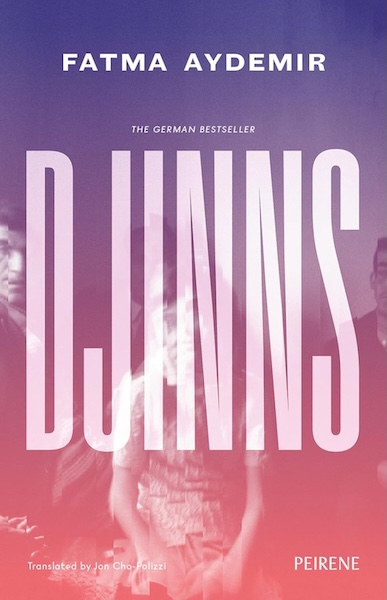
Fatma Aydemir’s Djinns follows a Turkish-Kurdish family that returns from Germany for a father’s funeral. The family’s secrets and inherited trauma become a portrait of life between cultures.
Politics, exile and resistance
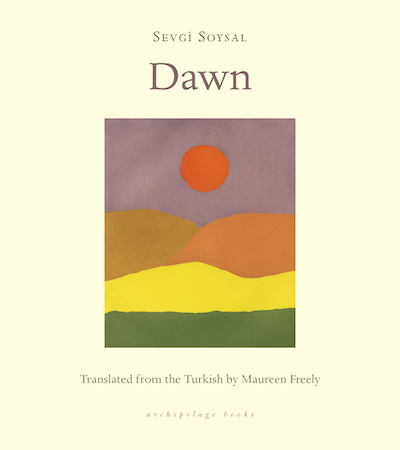
Political repression runs through a good part of modern Turkish fiction. Sevgi Soysal’s Dawn begins with a police raid in Adana after the 1971 military intervention. Soysal draws on her own imprisonment to show how ordinary people survive, compromise and resist under authoritarian pressure, with sharp humour and attention to gender.
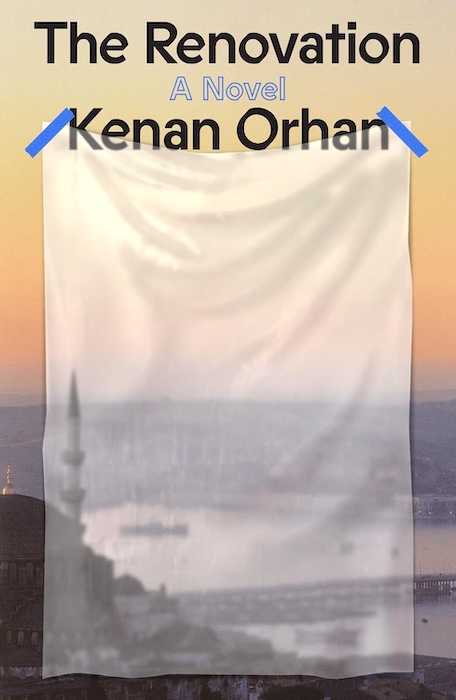
Kenan Orhan’s The Renovation approaches the same ground through surrealism. A Turkish exile in Italy finds that her new bathroom has become a prison cell. It is a dark comic allegory about political violence and the pain of leaving home.
Love, loneliness and satire
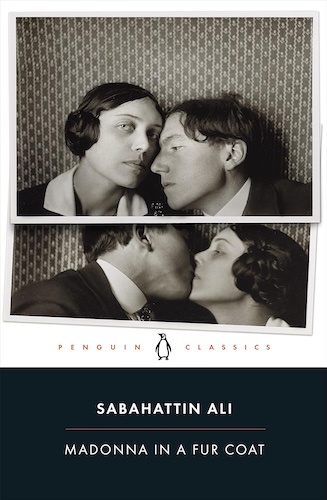
Not every book here is heavy with history. Sabahattin Ali’s Madonna in a Fur Coat is a quiet love story about a reserved man whose diary reveals a life-changing relationship in 1920s Berlin. It is a book about feelings left unspoken.
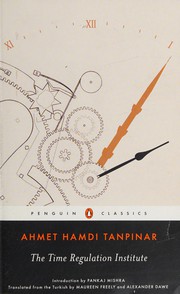
Ahmet Hamdi Tanpınar’s The Time Regulation Institute, from 1954, is the funniest on the list. It satirises a bureaucracy created to make everyone keep the correct time, a joke at the expense of reform that is all procedure and no substance.
Where to begin
For a first trip, there are a few natural routes:
- For the city:Istanbul: Memories and the City, then My Name Is Red .
- For history that reads like a novel: Altan’s Like a Sword Wound, or Osmanoğlu’s palace trilogy.
- For a short, absorbing read: Madonna in a Fur Coat.
- For contemporary voices and the diaspora: Djinns and The Renovation.
- For wit: The Time Regulation Institute.