What do we inherit from our mothers? Their stories, their fears, their expectations, or the silences they never learned to break?
The relationship between mothers and daughters is rarely simple. It can be a source of comfort and belonging, but also of conflict, misunderstanding, and unspoken pain. When migration, political upheaval, or cultural displacement enters the picture, these relationships become even more complicated. Women may find themselves negotiating not only their own identities but also the histories and expectations passed down through generations.
These six books explore the connections between mothers and daughters across Nigeria, Latvia, Pakistan, the Democratic Republic of the Congo, India, and the United Kingdom. Their stories examine what women inherit, what they struggle to escape, and what they choose to pass on.
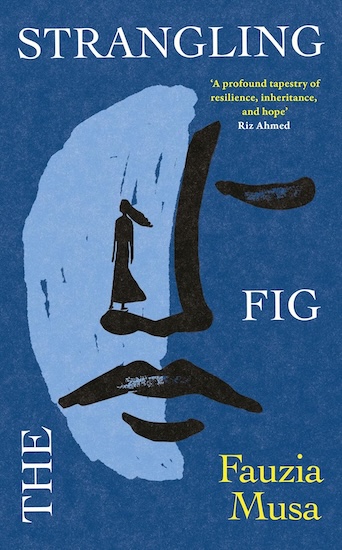
India / United States | 2026
How do the wounds of one generation shape the lives of the next?
Beginning in Hyderabad in 1946, on the eve of Partition, The Strangling Fig follows Ashraf, whose father’s murder profoundly affects her relationship with her mother. That emotional distance follows Ashraf throughout her life and reaches the next generation.
Decades later, in California, Ashraf’s granddaughter Seher struggles with her own mother’s absence and finds an unexpected connection to her grandmother’s ghost.
Fauzia Musa weaves together family history, migration, grief, and the supernatural to explore how unresolved pain can travel through generations. Moving between India and the United States, the novel asks whether understanding the past can help women break inherited patterns and build different relationships with one another. (HarperReach)
Why read it: For a multigenerational story about motherhood, migration, family secrets, and the possibility of healing inherited wounds.
Democratic Republic of the Congo / United Kingdom | 2025
What happens when a daughter’s understanding of love clashes with the expectations of her family?
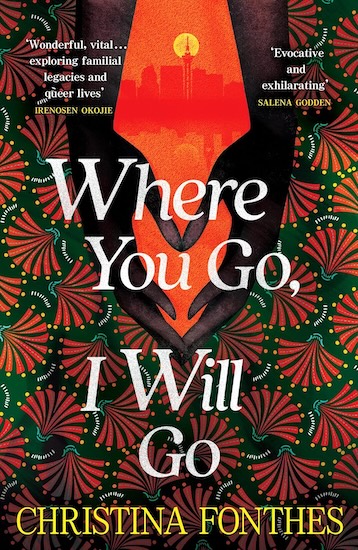
Christina Fonthes’s novel connects two generations of Congolese women across continents. In 1980s Kinshasa, Mira falls in love with a singer her family disapproves of. Years later, in London, her daughter Bijoux struggles with her aunt’s religious expectations while keeping her relationship with another woman secret.
Moving between the Democratic Republic of the Congo and the United Kingdom, the novel explores the complicated relationship between family loyalty, sexuality, faith, and personal freedom.
Mira and Bijoux inhabit different worlds, yet both must negotiate the tension between the lives they want and the expectations placed upon them. Their stories reveal how love and belonging can be shaped by inherited values, even when the next generation seeks a different path. (Hachette UK)
Why read it: For a moving exploration of mother-daughter relationships, queer identity, migration, and the search for belonging across generations.
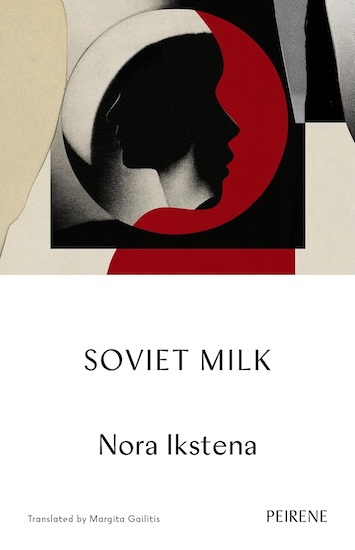
Latvia | 2015
Can a mother love her daughter while being unable to give her the care she needs?
Set in Soviet Latvia, Nora Ikstena’s Soviet Milk follows a mother and daughter across several decades of political and personal upheaval. The mother, a talented medical specialist, loses her professional freedom after a confrontation with Soviet authority and descends into depression. Her daughter grows up largely in the care of her grandparents, struggling to understand her mother’s emotional distance.
Against the backdrop of Soviet rule, their relationship becomes a story about the intersection of political oppression and private suffering. The mother’s pain shapes her daughter’s childhood, while the daughter searches for hope, independence, and a future beyond the limitations imposed upon them.
Ikstena explores the complicated inheritance between women: the love that survives hardship, the damage that passes between generations, and the possibility of liberation.
Why read it: For readers interested in motherhood, political history, intergenerational trauma, and the struggle to find freedom in circumstances beyond one’s control. (Google Books)
Pakistan | 2024
What does feminism mean when mothers and daughters have grown up in different worlds?
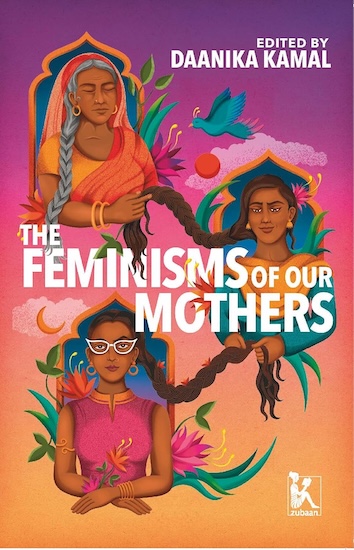
This collection of essays brings together Pakistani women’s reflections on the changing meanings of feminism across generations. Some mothers participated in feminist movements decades ago; others expressed their beliefs through everyday decisions, negotiations, and challenges to traditional expectations.
Their daughters inherit these histories but may interpret them differently. What one generation considers progress, another may question. What appears to be resistance to one woman may look like compromise to another.
Edited by Daanika Kamal, the collection explores the contradictions and connections between women’s experiences, showing that feminist inheritance is rarely straightforward. It is shaped by cultural expectations, personal choices, and the changing circumstances in which women live. (Spoor Books)
Why read it: For a nuanced perspective on feminism, generational differences, and the many ways women influence one another’s understanding of freedom.
Nigeria | 2017
How much can a marriage withstand when family expectations become impossible to ignore?
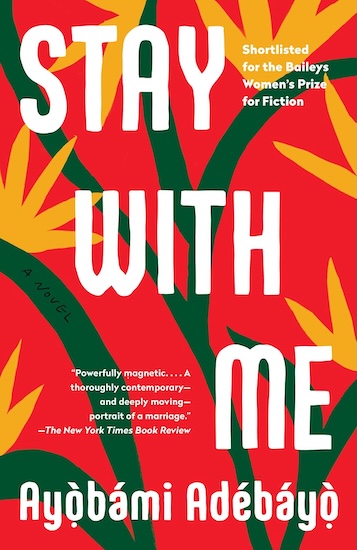
In Ayọ̀bámi Adébáyọ̀’s Stay with Me, Yejide and Akin’s marriage is tested by infertility, social pressure, and the expectation that a woman must become a mother to secure her place within her family.
Set against the political changes of 1980s Nigeria, the novel explores the emotional consequences of reproductive expectations and the lengths people may go to when their relationships are threatened.
Motherhood is both deeply desired and heavily burdened. Yejide’s experiences reveal how family expectations can shape a woman’s sense of self, while the secrets within her marriage complicate the boundaries between love, sacrifice, and resentment.
Although the novel focuses on marriage as well as motherhood, it offers a powerful exploration of the pressures passed between generations and the ways cultural expectations shape women’s lives.
Why read it: For an emotionally complex story about motherhood, marriage, grief, and the social expectations placed on women.
United Kingdom | 2027 — Forthcoming
What happens when two sisters decide to escape the family patterns they grew up with, only to discover that the past remains difficult to leave behind?
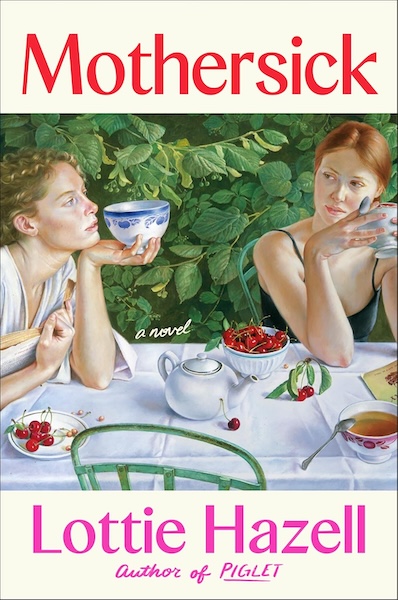
In Lottie Hazell’s forthcoming novel, sisters Mara and Nell make a pact in their twenties: no marriages, no babies, and no repeating their parents’ mistakes.
But when Mara falls in love and becomes a mother, their shared vision of the future begins to unravel. The sisters find themselves on different paths, forced to reconsider their beliefs about family, independence, and the lives they want.
As their relationship changes, their mother’s absence and the family’s unresolved secrets become increasingly significant.
Rather than focusing exclusively on the mother-daughter relationship, Mothersick explores how family history shapes sisters and influences their decisions about motherhood. It asks whether we can escape inherited patterns or whether we must learn to redefine them for ourselves. (Macmillan Publishers)
Why read it: For readers interested in sisterhood, motherhood, complicated family bonds, and the decision to embrace or reject inherited expectations.
Publication note: Scheduled for April 2027.
What Do Women Inherit From One Another?
Across these six books, inheritance takes many forms.
- Unresolved trauma: In The Strangling Fig and Soviet Milk, the pain of one generation shapes the emotional lives of the next.
- Cultural expectations: Stay with Me explores the pressure placed on women to become mothers, while The Feminisms of Our Mothers examines how ideas about women’s roles change across generations.
- Migration and belonging: Where You Go, I Will Go explores how family, faith, and identity evolve across continents.
- The freedom to choose: Mothersick asks whether we can reject the family patterns we grew up with and build different futures.
These books remind us that inheritance is not always something tangible. It can be a fear we cannot explain, an expectation we struggle to meet, or a belief we spend years trying to understand.
Yet inheritance can also be a source of strength. The stories of women who came before us can offer new ways to understand ourselves, even when their choices differ from our own.
The Stories We Pass Down
Mother-daughter relationships are shaped by more than affection or conflict. They carry the weight of history, culture, political circumstances, and the expectations society places on women.
Across continents and generations, the women in these books struggle to understand what they owe their families and what they owe themselves. Some seek reconciliation; others search for independence. All reveal how difficult it can be to separate our own identities from the lives that came before us.
Perhaps the most important inheritance is not the one we receive without question, but the one we learn to examine.
We cannot choose the stories we are born into. But we can decide which parts of them we carry forward.