What does it mean to go home when home no longer feels like yours? Perhaps you left as a child and remember only fragments of the place you came from. Perhaps your family preserved its traditions abroad, but the country itself has changed. Or perhaps you have spent so long building a life elsewhere that returning feels less like coming home and more like visiting a stranger.
Literature is full of journeys back to places that exist somewhere between memory and reality. For migrants, their children, and those caught between cultures, returning can bring unexpected questions about identity, belonging, language, and family.
These five books explore the complicated relationship between home and identity, from Taiwan and Egypt to Cuba and India. Their stories remind us that returning to a place does not necessarily mean recovering the sense of belonging we once associated with it.
Taiwan | 2026
A return to Taiwan can mean more than revisiting familiar streets. It can mean confronting the distance between the place remembered and the place that exists today.
For people who have spent years abroad, home is often preserved through fragments: family stories, childhood memories, familiar foods, and a language that feels different depending on where it is spoken. Returning can bring these fragments into contact with a reality that no longer matches the imagined version.
Taipei, with its changing neighborhoods and layered cultural identity, offers a compelling setting for stories about belonging and displacement. The city can feel simultaneously familiar and foreign to someone trying to reconnect with a place they thought they knew.
Why read it: For readers interested in cultural identity, memory, and the complicated emotions of reconnecting with a homeland.
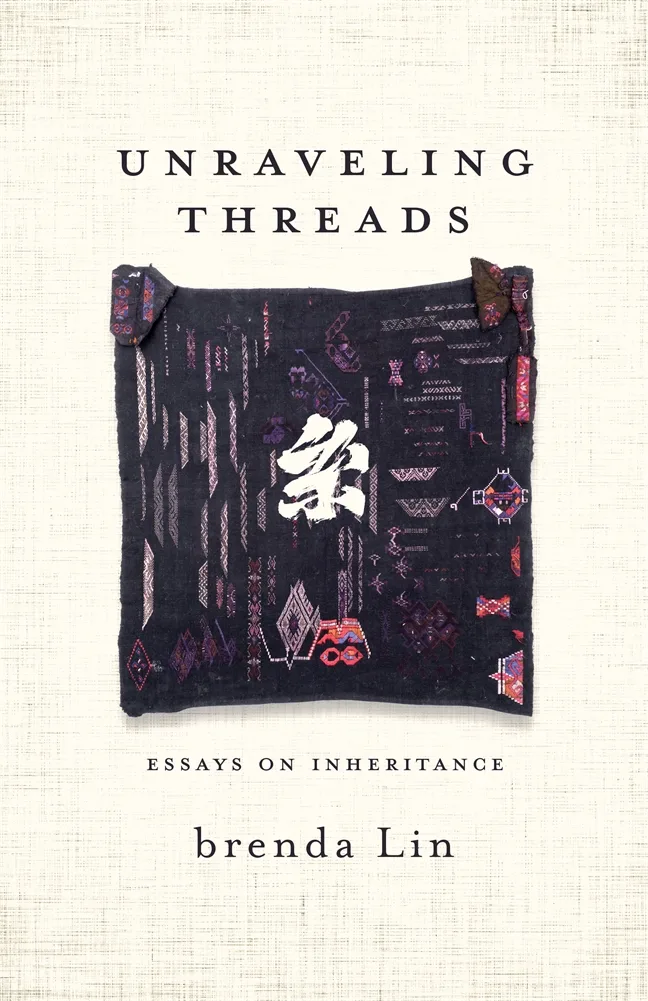
Taiwan | 2026
Sometimes, the ties connecting us to home are difficult to distinguish from the expectations that hold us there.
Family traditions, inherited memories, and cultural obligations can preserve a sense of belonging across generations. But they can also create tension when personal identity develops beyond the boundaries of family history.
The image of unraveling threads suggests the delicate work of examining these connections: deciding which traditions to carry forward, which assumptions to question, and how to make peace with the parts of our heritage we do not fully understand.
For those returning to a homeland after years away, this process can be especially complicated. The place may be familiar through family stories, yet its customs and expectations can feel unfamiliar in practice.
Why read it: For readers drawn to stories about heritage, intergenerational relationships, and the fragile connections between identity and belonging.
Editorial note: Confirm the author’s name and the book’s plot before publication; the title and year alone are insufficient to establish its specific themes.
Egypt | 2022
Language can determine whether we feel at home or like outsiders. It can also reveal the assumptions we carry about nationality, class, and belonging.
In Noor Naga’s If an Egyptian Cannot Speak English, a young Egyptian-American photographer meets a young Egyptian man in Cairo. Their relationship unfolds against questions of identity, privilege, and the different ways people understand what it means to be Egyptian.
The novel challenges the idea that returning to a country of origin automatically resolves questions of belonging. Cultural familiarity does not necessarily translate into understanding, and sharing a nationality does not guarantee that two people experience their country in the same way.
Through an experimental narrative, Naga explores the distance between an outsider’s expectations and the realities of the place they encounter.
Why read it: For readers interested in diaspora, language, cultural privilege, and the uneasy experience of trying to belong to a place from which you have become distanced.
Cuba | 2026
What happens when family history becomes the strongest connection to a homeland you barely know?
For people separated from their country of origin, family stories can become a substitute for direct experience. Memories passed between generations preserve places, relationships, and traditions, but they can also create expectations that reality cannot fulfil.
Cuba’s history of migration and displacement makes the relationship between homeland and identity especially complex. For those living elsewhere, returning may involve reconnecting not only with a geographical place but also with relatives, inherited responsibilities, and versions of the past preserved within the family.
The idea of keeping one’s kin suggests the emotional labour of maintaining these connections across distance, even when generations understand home differently.
Why read it: For readers interested in family, inherited memory, and the emotional connections that survive migration.
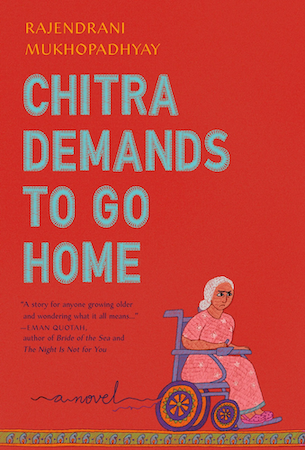
India | 2026
Sometimes, the desire to go home is also a demand to be heard.
Home can represent safety and familiarity, but it can also be a place where other people define who we are and what we should become. For those negotiating family expectations and cultural identity, returning may mean confronting the very structures they once hoped would provide a sense of belonging.
The title Chitra Demands to Go Home suggests a personal insistence on the right to return, but also raises a deeper question: who gets to decide where someone belongs?
India’s extraordinary regional, linguistic, and cultural diversity means that the idea of a single, uncomplicated homeland can be misleading. Home may be tied to a particular community, family, language, or set of memories rather than to a country alone.
Why read it: For readers interested in the relationship between home, personal agency, and the expectations attached to belonging.
When Home Becomes a Question
These five titles offer different entry points into the experience of returning, but several themes connect them.
- Memory versus reality: The homeland preserved in childhood memories or family stories may differ from the place that exists today.
- Language and identity: Speaking, forgetting, or struggling with a language can shape how we are perceived and how we understand ourselves.
- Family and inheritance: Traditions and family histories can provide continuity while creating expectations that are difficult to navigate.
- Cultural belonging: Sharing a nationality or ancestry does not necessarily mean feeling at home in a particular place.
- The right to define home: Belonging is not simply a matter of birthplace. It can involve personal choice, relationships, and the freedom to decide where and how to live.
Can You Really Go Home Again?
Returning to a homeland can be an act of reconnection, but it can also reveal how much has changed. The streets may be familiar, the food may taste as remembered, and relatives may speak the language of childhood, yet the feeling of belonging may remain elusive.
For some, home becomes a place they learn to love again. For others, it remains divided between memory and reality, somewhere they belong and somewhere they no longer entirely understand.
Perhaps the most difficult part of returning is accepting that we cannot simply recover the people we once were or the places as we remember them.
Sometimes, going home is not about finding where you belong. It is about learning to live with the distance between where you came from and who you have become.