Raja Shehadeh

Raja Shehadeh

Palestine

About

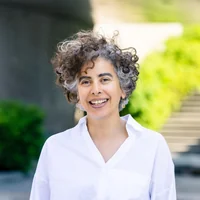
Raja Shehadeh is a Palestinian lawyer, writer, and human rights activist born in Ramallah in 1951. He is the founder of Al-Haq, one of the first human rights organizations established in the Arab world, and has spent decades documenting the legal and social consequences of the Israeli occupation of Palestinian territories. Shehadeh is best known for his reflective nonfiction, which combines personal memoir, landscape writing, and political observation to explore Palestinian identity, displacement, and the relationship between people and their land. His acclaimed book Palestinian Walks: Notes on a Vanishing Landscape (2007) recounts his walks through the hills surrounding Ramallah, examining how settlement expansion and political change have transformed the Palestinian landscape. The book won the Orwell Prize in 2008. Other notable works include Strangers in the House (2002), a family memoir, and Going Home (2019). Through precise, contemplative prose, Shehadeh explores the meaning of home, the erosion of cultural landscapes, and the persistence of everyday life under occupation.

Books on TheBookRoads
1
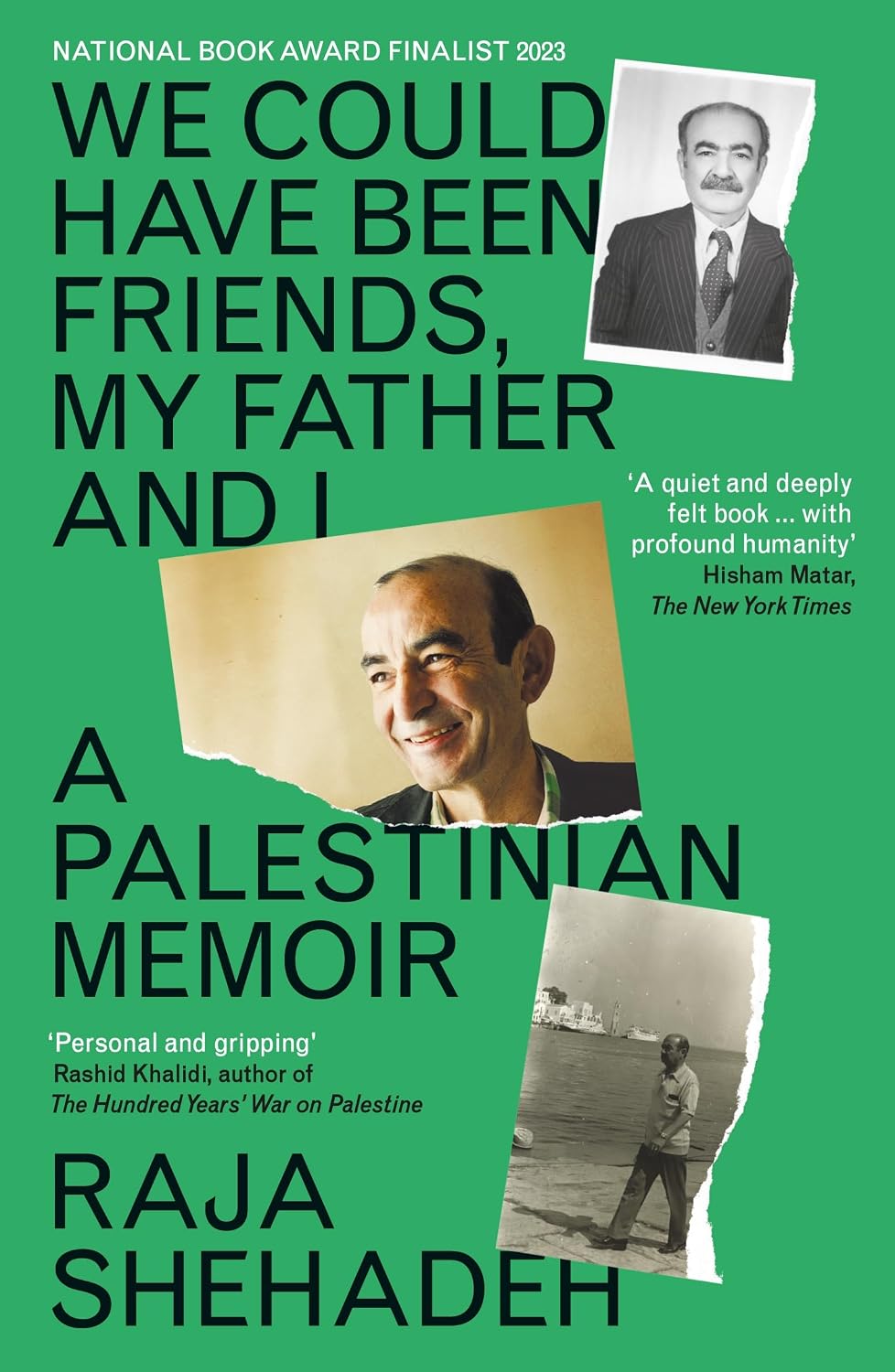
We Could Have Been Friends, My Father and I
In We Could Have Been Friends, My Father and I, Palestinian writer and human rights lawyer Raja Shehadeh reflects on his complex relationship with his father, Aziz Shehadeh, a prominent lawyer and advocate for Palestinian rights. Through personal memories, family history, and historical research, Raja reconstructs his father’s life and examines the political convictions that shaped their relationship. Aziz believed in pursuing justice through legal means and sought peaceful solutions to the Palestinian struggle, while his son developed his own understanding of resistance, identity, and belonging. Their differences often created emotional distance, leaving unspoken feelings and misunderstandings between them. Against the backdrop of British rule, the creation of Israel, and the continuing transformation of Palestinian society, Shehadeh explores how political conflict enters even the most intimate family relationships. The memoir is both a tribute to his father and an attempt to understand him more fully, asking whether shared experiences and renewed understanding can bridge the distance between generations. It offers a deeply personal meditation on family, history, reconciliation, and the possibility of connection despite profound differences.
2022 Palestine
2
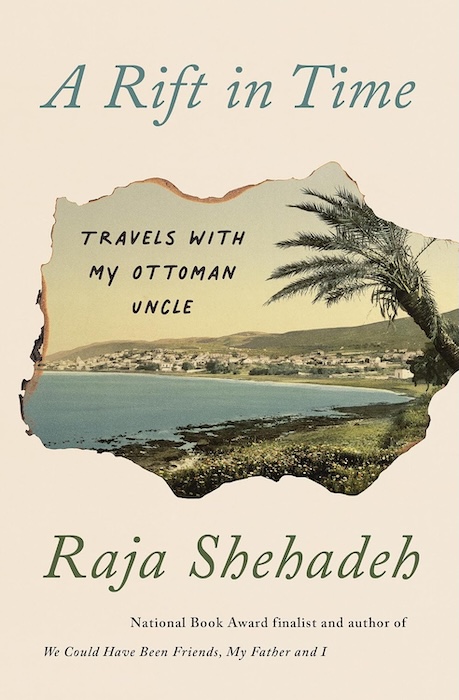
A Rift in Time: Travels with My Ottoman Uncle
In A Rift in Time: Travels with My Ottoman Uncle, Palestinian writer and human rights lawyer Raja Shehadeh explores the connections between family history, national identity, and the changing political landscape of the Middle East. Inspired by the life of his great-uncle Najib Nassar, a Palestinian journalist who lived during the final decades of the Ottoman Empire, Shehadeh traces the journey of a man who witnessed the collapse of an empire and the emergence of a new political order. Moving between historical research, personal reflection, and travel writing, the author examines how the experiences of earlier generations continue to shape contemporary Palestinian life. Through his uncle’s story, Shehadeh reflects on the meaning of belonging, the fragility of historical memory, and the ways political borders transform people’s relationships with their homeland. The book offers an intimate exploration of the past, revealing how an individual’s life can illuminate the wider forces that shape a nation’s history and collective identity.
2010 Palestine
3
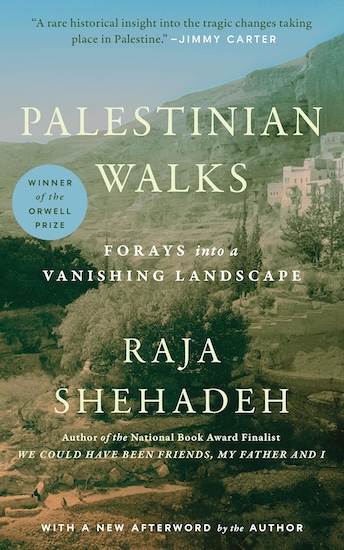
Palestinian Walks
Palestinian Walks
Palestinian Walks is a lyrical memoir in which Palestinian lawyer and writer Raja Shehadeh recounts years of walking through the hills and valleys of the West Bank. Through six walks taken over several decades, Shehadeh explores a landscape he has known since childhood, documenting its natural beauty, ancient paths, wildflowers, and rocky hillsides. As he returns to familiar places, he witnesses how expanding settlements, roads, and political restrictions transform the countryside and limit access to land that once felt open and familiar. Combining personal reflection, nature writing, and historical observation, Shehadeh examines the relationship between landscape, memory, and belonging. His walks become both a way of reconnecting with the natural world and a means of understanding the changes reshaping Palestinian life. The book offers an intimate portrait of a threatened environment, revealing how the loss of familiar places can also mean the erosion of cultural memory, personal freedom, and a sense of home.
2008 Palestine