Clarice Lispector
BrazilAbout
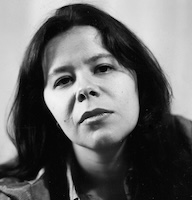
Clarice Lispector (1920–1977) was a Brazilian novelist and short-story writer widely regarded as one of the most influential voices in modern Latin American literature. Born in Ukraine to a Jewish family, she immigrated to Brazil as an infant and grew up speaking Portuguese. Her writing is known for its introspective style, psychological depth, and philosophical exploration of consciousness, identity, and existence. Often blending everyday experiences with profound existential questions, Lispector developed a distinctive literary voice that challenged conventional narrative forms. Her notable works include Near to the Wild Heart, The Hour of the Star, and Água Viva.
Books on TheBookRoads
1
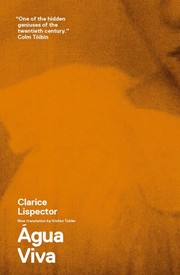
Água Viva
Água Viva is an experimental novel narrated by an unnamed woman, an artist who attempts to capture the fleeting experience of being alive through a continuous flow of thoughts, sensations, and reflections. Addressing an unnamed listener, she moves between memories, observations of nature, artistic inspiration, and philosophical questions, seeking to express what she calls the present moment—the elusive instant in which life is experienced before it becomes memory.
Rather than following a conventional plot, Clarice Lispector creates an intensely intimate meditation on consciousness, language, time, and existence. The narrator struggles with the limitations of words, searching for a form of expression that can convey the raw immediacy of experience. Images of flowers, animals, music, and water recur throughout the text, connecting the physical world with questions about the mysterious nature of being. Both poetic and challenging, Água Viva invites readers to experience life as something fluid, unpredictable, and impossible to fully explain.
1973
Brazil
2
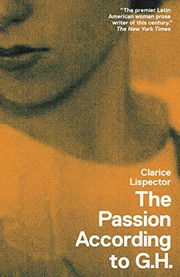
The Passion According to G.H.
In The Passion According to G.H., a wealthy sculptor in Rio de Janeiro experiences a profound existential crisis after entering her former maid’s room and encountering a cockroach. What begins as an ordinary domestic moment transforms into a disturbing confrontation with her identity, humanity, and understanding of existence. Through an intense stream of consciousness, Clarice Lispector explores the boundaries between self and other, human and animal, and the sacred and the material. As G.H.’s familiar sense of self begins to dissolve, she confronts the unsettling possibility that true understanding requires abandoning the illusions that define human identity. The novel is a challenging philosophical exploration of consciousness, transformation, and the search for meaning beyond conventional beliefs.
2012
Brazil