Clarice Lispector
BrazilAbout
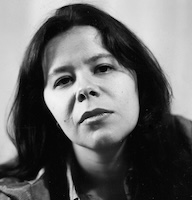
Clarice Lispector (1920–1977) was a Brazilian novelist and short-story writer widely regarded as one of the most influential voices in modern Latin American literature. Born in Ukraine to a Jewish family, she immigrated to Brazil as an infant and grew up speaking Portuguese. Her writing is known for its introspective style, psychological depth, and philosophical exploration of consciousness, identity, and existence. Often blending everyday experiences with profound existential questions, Lispector developed a distinctive literary voice that challenged conventional narrative forms. Her notable works include Near to the Wild Heart, The Hour of the Star, and Água Viva.
Books on TheBookRoads
1
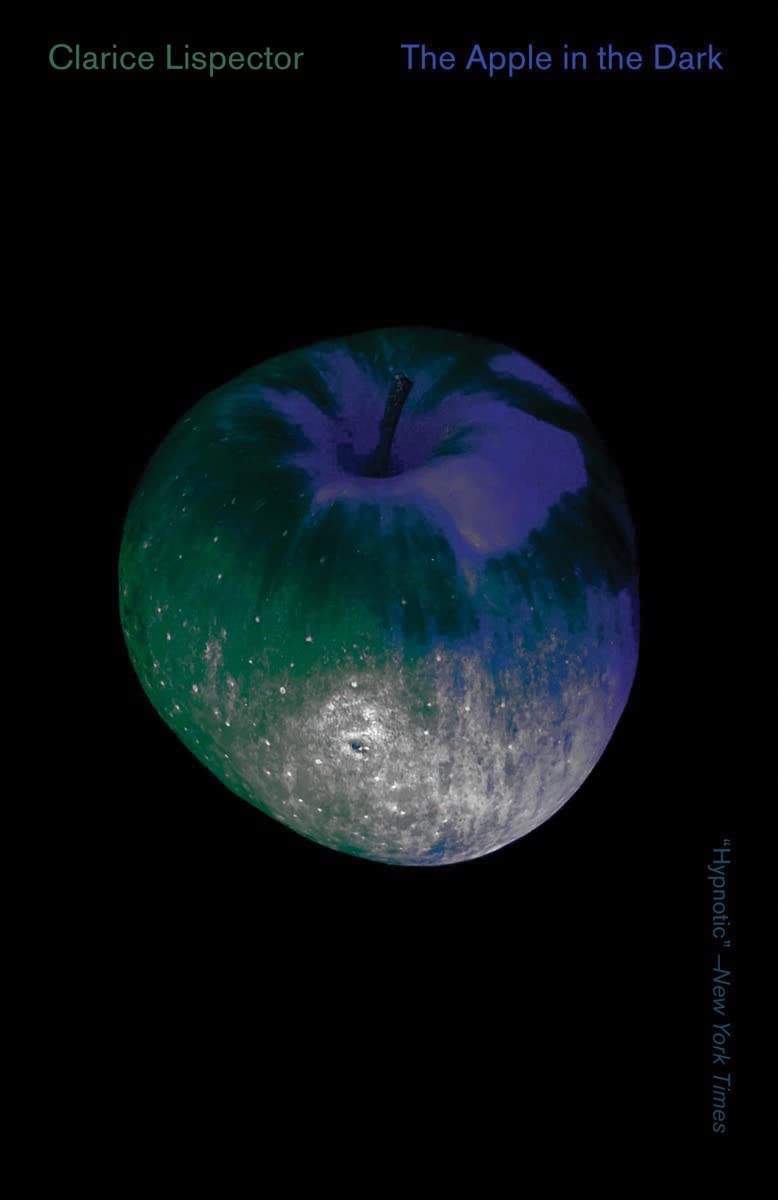
Apple in the Dark
The Apple in the Dark follows Martim, a man who flees his home after believing he has committed a terrible act against his wife. Seeking refuge in the Brazilian countryside, he finds work on a remote farm owned by two women, Vitória and Ermelinda. Away from the structures of his former life, Martim begins to experience the world as if he were discovering it for the first time. His escape becomes a profound journey into the nature of consciousness, language, morality, and personal identity. Through introspective prose and philosophical reflections, Clarice Lispector explores what remains of a person when familiar social roles and established beliefs fall away. Rather than offering a conventional narrative of guilt and redemption, the novel examines the unsettling possibility of creating oneself anew. It is a deeply existential work about freedom, responsibility, and the struggle to understand what it means to be human.
2023
Brazil
2
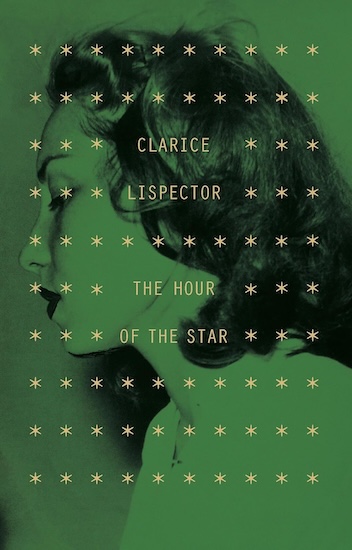
The Hour of the Star
The Hour of the Star follows Macabéa, a poor young woman from northeastern Brazil who moves to Rio de Janeiro in search of a better life. Working as a typist and living in poverty, she leads an almost invisible existence, lacking the education, confidence, and social awareness to understand the world around her. Despite her difficult circumstances, Macabéa possesses a quiet innocence and an unexpected capacity for happiness, finding small pleasures in everyday life.
Her story is narrated by Rodrigo S.M., a writer who struggles to represent her life honestly while confronting his own privilege and the limitations of storytelling. Through this unusual narrative perspective, Clarice Lispector explores poverty, gender, social exclusion, and the difficulty of giving voice to those society overlooks. Both intimate and unsettling, the novel asks profound questions about human dignity, identity, and whether an insignificant life can ever receive its moment of recognition.
1977
Brazil