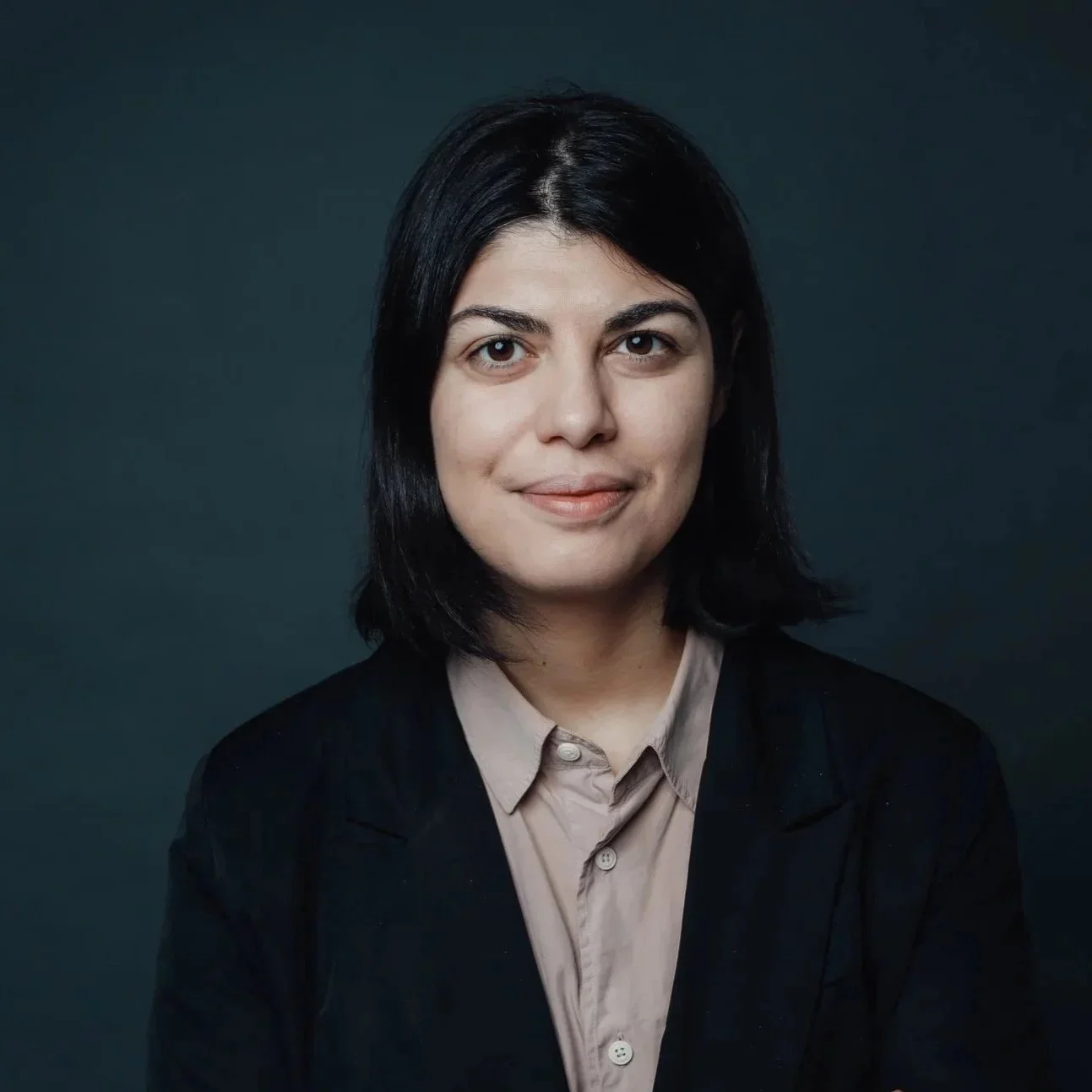
Alisa Ganieva
RussiaAbout
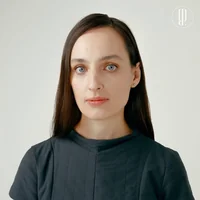
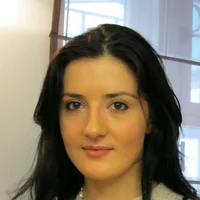
Alisa Ganieva is a Russian writer of Avar heritage who was born in Moscow and grew up in Dagestan. She writes in Russian while incorporating Avar and Arabic expressions into her fiction, giving her work a distinctly Dagestani cultural and linguistic character. Bride and Groom was shortlisted for the 2015 Russian Booker Prize.
Books on TheBookRoads
1
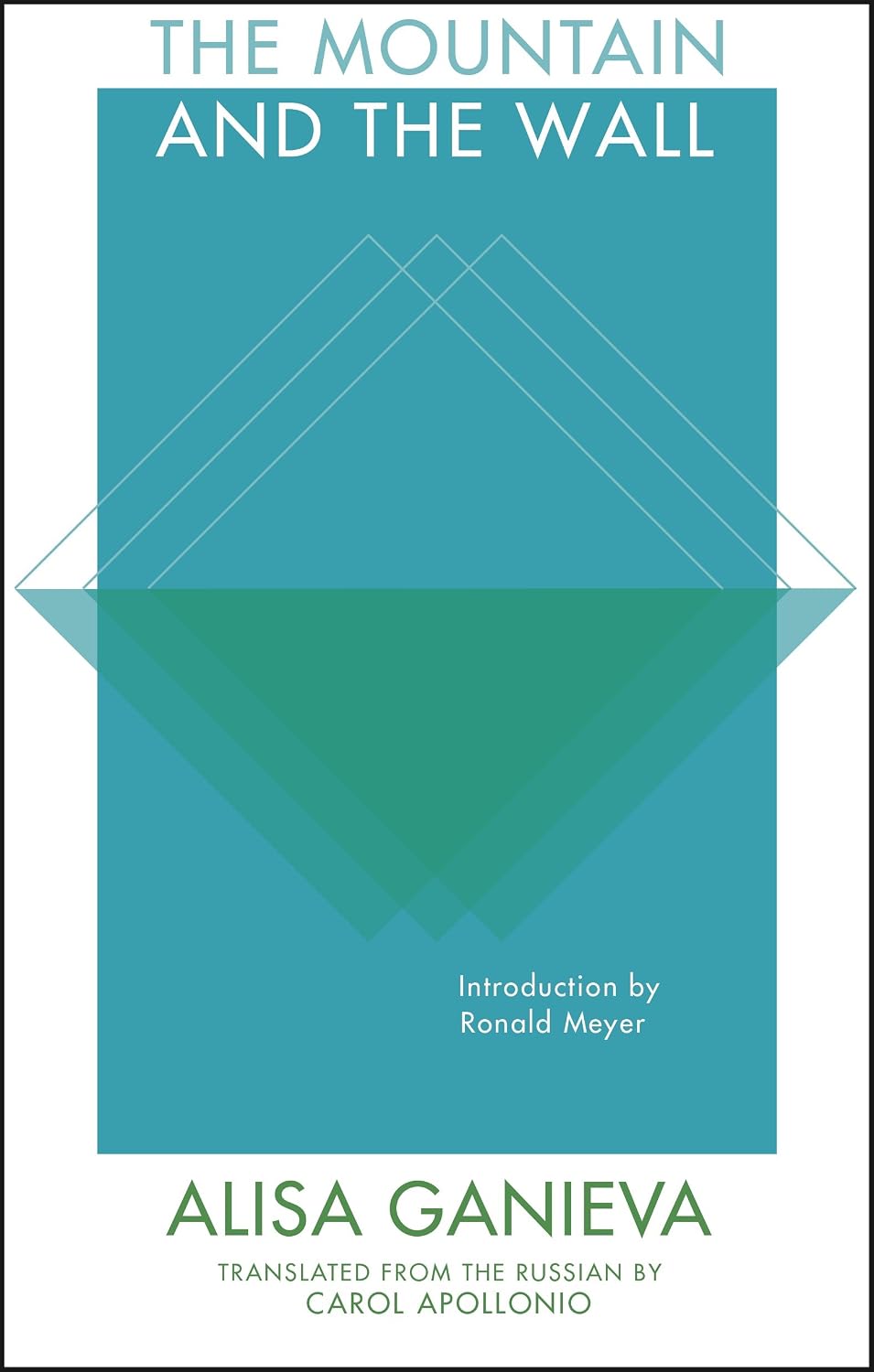
The Mountain and the Wall
In The Mountain and the Wall, Shamil, a young journalist in Dagestan’s capital, Makhachkala, hears rumours that the Russian government intends to build a wall separating the Muslim regions of the North Caucasus from the rest of the country. As anxiety and unrest spread, Shamil finds himself confronting the political and religious divisions shaping his community. What begins as distant speculation gradually becomes an urgent personal and social crisis, forcing him to reconsider his own passivity. Ganieva portrays a region caught between competing ideologies, traditional beliefs, and the pressures of modern political life. Through Shamil’s experiences, the novel explores how intolerance and extremism can fracture communities and how ordinary people respond when the society around them begins to unravel.
2012
Russia
2
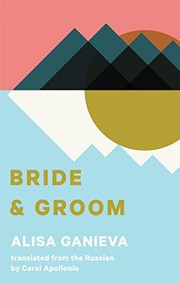
Bride and Groom
Set in contemporary Dagestan, Bride and Groom follows two young people whose prospects for marriage become entangled with the expectations of their families and community. Against a backdrop of religious conservatism, social pressure, and political uncertainty, the characters struggle to reconcile their personal desires with the traditions that govern their lives. Marriage becomes more than a private romantic decision: it is also a negotiation involving family honour, social status, and competing ideas about modernity and cultural identity. Ganieva offers an intimate portrait of a society undergoing profound change, where old customs and new aspirations coexist uneasily. With humour and sharp observation, the novel reveals how difficult it can be to make independent choices when the community claims a powerful stake in individual lives.
2015
Russia