Jhumpa Lahiri
IndiaAbout
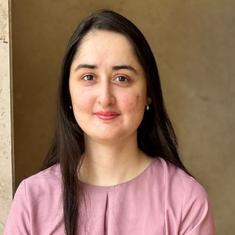
Jhumpa Lahiri is a British-born American writer and translator of Bengali Indian heritage. Her debut collection, Interpreter of Maladies, won the 2000 Pulitzer Prize for Fiction and established her as an important voice in writing about migration, cultural displacement, and identity. She later wrote The Namesake, Unaccustomed Earth, and The Lowland, and has also written extensively in Italian.
Books on TheBookRoads
All genres
Historical Fiction
Literary Fiction
Non-Fiction
Memoir
Contemporary Fiction
Fiction
Short Stories
1
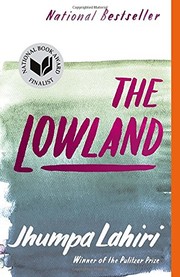
The Lowland
The Lowland tells the story of two brothers, Subhash and Udayan, who grow up together in Calcutta but choose dramatically different paths as adults. During the 1960s, Udayan becomes involved in the Naxalite movement, a radical communist uprising that challenges India’s political and social order. Subhash, by contrast, leaves for the United States to pursue an academic career. When political violence destroys Udayan’s future, Subhash returns to India and makes a decision that binds him to his brother’s family for decades. The consequences of this choice unfold across generations, affecting relationships, marriages, and the identity of Udayan’s daughter, Bela. Lahiri explores guilt, loyalty, political conviction, and the lasting consequences of family secrets, showing how a single act can shape the lives of people who were never responsible for it.
2013
India
2
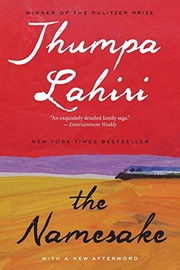
The Namesake
The Namesake follows the Ganguli family as they move from Calcutta to the United States in search of a new life. Their son, Gogol, grows up caught between his Bengali heritage and the American culture in which he was raised. Named after the Russian writer Nikolai Gogol for personal reasons connected to his father’s past, he comes to resent the unusual name that distinguishes him from his peers. As he grows older, Gogol struggles with romantic relationships, family expectations, and the challenge of defining himself independently of his parents’ experiences. Following the family’s journey across several decades, Lahiri explores migration, cultural adaptation, and the complicated relationship between parents and children. The novel examines how names, memories, and inherited traditions shape identity, revealing that belonging is rarely a simple choice between two cultures.
2019
India