Jhumpa Lahiri
IndiaAbout
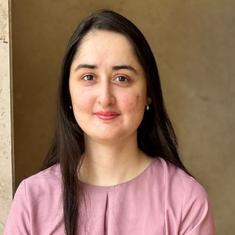
Jhumpa Lahiri is a British-born American writer and translator of Bengali Indian heritage. Her debut collection, Interpreter of Maladies, won the 2000 Pulitzer Prize for Fiction and established her as an important voice in writing about migration, cultural displacement, and identity. She later wrote The Namesake, Unaccustomed Earth, and The Lowland, and has also written extensively in Italian.
Books on TheBookRoads
All genres
Historical Fiction
Literary Fiction
Non-Fiction
Memoir
Contemporary Fiction
Fiction
Short Stories
1
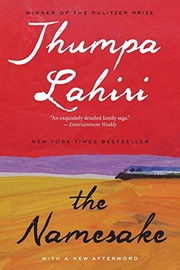
The Namesake
The Namesake follows the Ganguli family as they move from Calcutta to the United States in search of a new life. Their son, Gogol, grows up caught between his Bengali heritage and the American culture in which he was raised. Named after the Russian writer Nikolai Gogol for personal reasons connected to his father’s past, he comes to resent the unusual name that distinguishes him from his peers. As he grows older, Gogol struggles with romantic relationships, family expectations, and the challenge of defining himself independently of his parents’ experiences. Following the family’s journey across several decades, Lahiri explores migration, cultural adaptation, and the complicated relationship between parents and children. The novel examines how names, memories, and inherited traditions shape identity, revealing that belonging is rarely a simple choice between two cultures.
2019
India
2
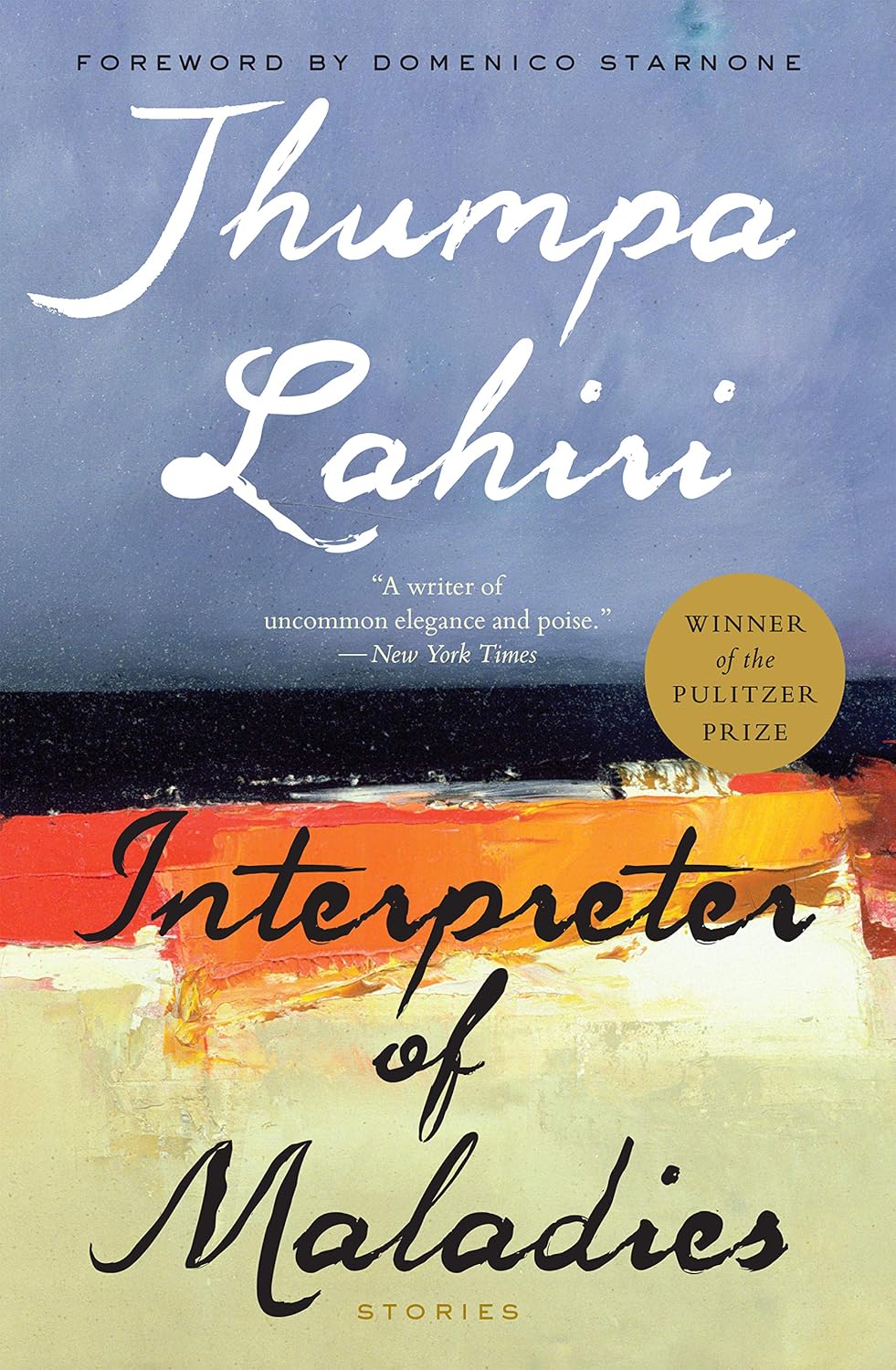
Interpreter of Maladies
Interpreter of Maladies is a collection of nine short stories exploring the lives of Indian and Indian American characters navigating love, cultural displacement, family obligations, and loneliness. In the title story, an Indian tour guide who works as an interpreter for a doctor becomes the confidant of an American woman of Indian origin, whose personal revelations challenge his understanding of intimacy and connection. Other stories portray arranged marriages, strained relationships between parents and children, and the emotional difficulties of living between cultures. Lahiri pays close attention to ordinary moments when misunderstandings, unspoken desires, and private disappointments reveal deeper struggles. Her characters often appear caught between the expectations of their heritage and the realities of their present lives. The collection explores belonging, communication, and the quiet emotional distances that can separate people who seem intimately connected.
2019
India
3
The Lowland
The Lowland tells the story of two brothers, Subhash and Udayan, who grow up together in Calcutta but choose dramatically different paths as adults. During the 1960s, Udayan becomes involved in the Naxalite movement, a radical communist uprising that challenges India’s political and social order. Subhash, by contrast, leaves for the United States to pursue an academic career. When political violence destroys Udayan’s future, Subhash returns to India and makes a decision that binds him to his brother’s family for decades. The consequences of this choice unfold across generations, affecting relationships, marriages, and the identity of Udayan’s daughter, Bela. Lahiri explores guilt, loyalty, political conviction, and the lasting consequences of family secrets, showing how a single act can shape the lives of people who were never responsible for it.
2013
India
4

Unaccustomed Earth
Unaccustomed Earth is a collection of eight stories examining the experiences of Bengali families living in the United States and the complex relationships between generations. The first section focuses on individuals negotiating marriage, parenthood, grief, and cultural expectations as they attempt to build lives far from their ancestral homeland. The final three stories follow Hema and Kaushik, two Bengali Americans whose lives intersect during childhood and again in adulthood, revealing how family decisions and personal losses shape their futures. Lahiri explores the tensions between parental expectations and individual freedom, particularly as younger generations grow up with different ideas about identity, love, and belonging. Through subtle portrayals of everyday life, the collection reveals how family bonds can offer both security and constraint, and how people carry the influence of their upbringing long after they believe they have moved beyond it.
2009
India