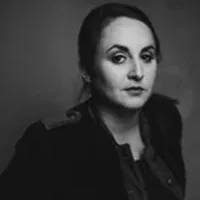
Nino Haratischwili
GeorgiaAbout
Nino Haratischwili is a Georgian-born German novelist, playwright, and theatre director, born in Tbilisi in 1983. She is best known internationally for The Eighth Life (For Brilka), and her work frequently explores Georgia’s history, political upheaval, family, memory, and the experiences of women. She lives in Berlin.
Books on TheBookRoads
1
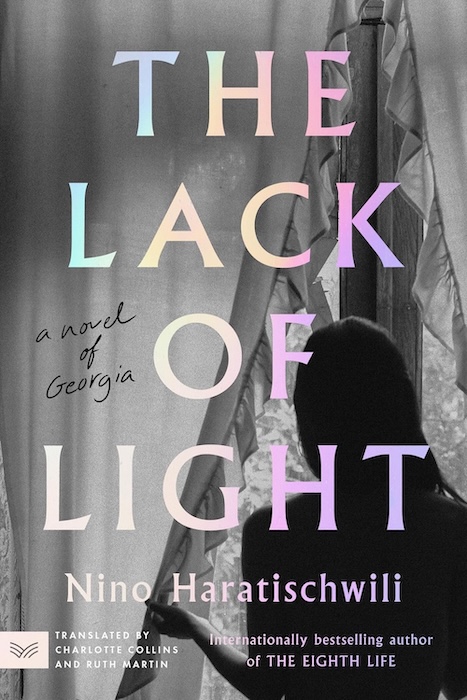
Lack of Light
The Lack of Light follows four women—Nene, Ira, Dina, and Keto—whose friendship begins in a Tbilisi courtyard during the final years of the Soviet Union. As they grow up, Georgia undergoes dramatic political and social transformations, including independence, civil conflict, and the rise of criminal networks. Each woman pursues a different future, but their lives remain bound together by shared memories, personal loyalties, and the consequences of choices made during their youth. Years later, a photographic exhibition devoted to Dina prompts Keto to revisit their intertwined histories and reconsider the events that shaped their friendship. Haratischwili portrays a generation coming of age amid uncertainty, where private hopes collide with political violence and social instability. The novel explores friendship, memory, loss, and the lasting impact of a society struggling to define itself after the collapse of an empire.
2022
Georgia
2
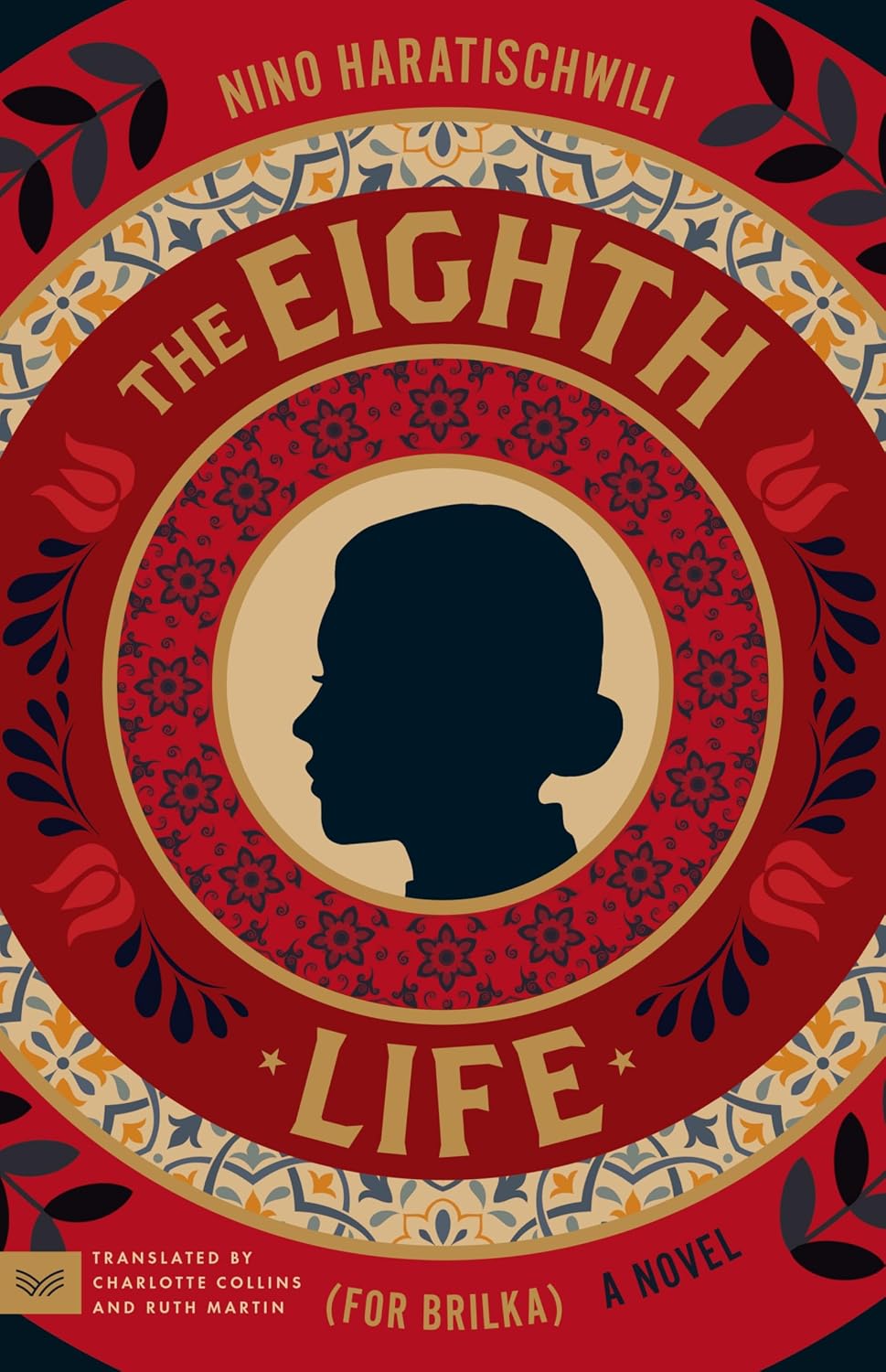
The Eighth Life (for Brilka)
The Eighth Life (for Brilka) follows seven generations of a Georgian family across the twentieth century, beginning in the early 1900s and continuing through the collapse of the Soviet Union. At the centre of the story is a family secret connected to a remarkable recipe for hot chocolate, which brings both extraordinary pleasure and devastating consequences. Through the lives of Stasia, Christine, Kostya, Kitty, and their descendants, the novel explores love, ambition, political repression, and the sacrifices people make to survive turbulent times. The family’s history unfolds against the backdrop of revolutions, Stalinism, world wars, and the struggle for Georgian independence. Narrated by Niza, who recounts the family’s past to her young niece Brilka, the novel examines how historical trauma is passed from one generation to another and whether understanding the past can offer a chance to break its cycle.
2014
Georgia
Country
Georgia
Asia
Also from Georgia
Leo Vardiashvili
1 book